Tree Pruning in Teddington
If you are looking for tree pruning in Teddington, you are probably trying to solve a practical problem rather than just tidy up a garden. Maybe a tree is blocking light in a terraced home near the town centre, overhanging a drive in a residential street off the High Street, crowding a rear garden in one of Teddington’s period properties, or beginning to feel too close to a boundary fence. Whatever the reason, professional pruning can make a real difference to safety, appearance, tree health, and the everyday usability of your outdoor space.
Teddington has a very distinctive mix of housing and landscape. You will find mature gardens, established street trees, larger family homes, compact courtyards, riverside properties, and commercial premises that all need careful, considerate tree work. That matters because pruning is never just about cutting branches back. It should be done with an understanding of the tree species, the season, the structure of the canopy, nearby buildings, access limitations, and the effect on light, privacy, and long-term growth.
Tree pruning Teddington homeowners and businesses can rely on should always be planned around the condition of the tree and the needs of the site. Some trees need deadwood removed. Others need crown thinning to improve airflow. Some are encroaching on roofs, gutters, or neighbouring gardens. In every case, the aim is to carry out the right work, in the right way, at the right time.
 Why pruning matters for local trees and properties
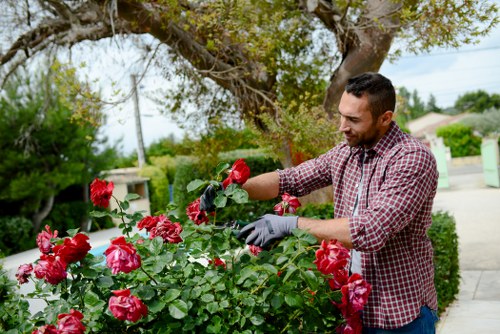
Pruning is one of the most important tree care services for properties in Teddington because it supports both the tree and the people living around it. A well-pruned tree can look healthier, allow more daylight into your home, reduce the risk of branch failure, and keep pathways, parking spaces, and garden areas more usable. It can also help reduce nuisance issues such as branches brushing roofs, heavy shade over lawns, or tree limbs interfering with power or telecom lines.
For many local customers, the biggest benefit is balance. Trees add value and character to Teddington gardens, but they can also become too dominant if left unchecked. Thoughtful pruning helps preserve the tree while making sure it remains suitable for its location. That is especially important on streets where gardens are close together, access is narrow, and a tree’s spread can affect several neighbouring plots.
Good pruning is not about removing as much as possible. It is about removing the right parts to encourage healthy future growth, maintain shape, and reduce foreseeable problems. A skilled arborist will assess the tree’s species, size, previous pruning history, and overall condition before recommending work.
What tree pruning can help with
Tree pruning can solve a wide range of issues for homes, schools, offices, landlords, and managed properties across Teddington. The exact service depends on what the tree needs and what you want to achieve. It may be a one-off tidy-up or part of an ongoing care programme for a mature landscape.
Common reasons people request pruning include shading, obstructed views, overextended branches, deadwood, storm damage, poor structure, and branches rubbing against nearby features. In a busy local area, there is also a practical side: pruning can improve access for bins, driveways, footpaths, and maintenance work around the property.
Useful pruning outcomes often include:
- More natural light reaching windows, patios, and lawns
- Better clearance over roofs, gutters, and boundary lines
- Reduced risk from broken, weak, or dead branches
- Improved shape and symmetry for ornamental trees
- Healthier airflow through dense crowns
- Less interference with neighbouring gardens or public spaces
 Pruning methods used by a professional arborist
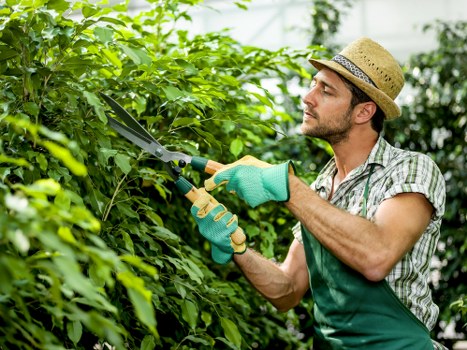
Different trees and different situations require different techniques. A professional team will not use a one-size-fits-all approach. Instead, the work should be chosen to suit the tree’s age, species, location, and condition. This is particularly important in Teddington, where mature trees often sit close to houses, garages, sheds, fences, and paved areas.
One of the most common methods is crown thinning, which removes selected branches through the canopy to reduce density without changing the tree’s overall outline too dramatically. This can help with light and airflow while keeping the tree looking natural. Crown reduction is used when the overall size of the tree needs to be reduced, but the tree should still retain a balanced form. This is often relevant when branches are becoming too large for the available space.
Other common pruning approaches include:
- Deadwood removal – taking out dead, dying, or broken branches
- Crown lifting – removing lower limbs to improve clearance beneath the canopy
- Selective pruning – removing branches to improve structure or reduce crossing limbs
- Formative pruning – shaping younger trees for strong future growth
- Pollarding – a specialist method for certain species in appropriate situations
Each method should be used carefully. Poor pruning can create weak regrowth, leave the tree unbalanced, or open the door to disease. That is why local customers often prefer to speak with a tree specialist who understands both arboriculture and the realities of working on lived-in properties.
Tree pruning for homes in Teddington
Many requests for tree pruning in Teddington come from residential customers who want a better garden environment. That may mean letting more light into a kitchen or living room, improving privacy without letting the tree become too dominant, or keeping a mature tree in good shape without having to remove it entirely. For many households, pruning is the compromise that preserves the best parts of a tree while solving immediate issues.
The variety of local properties also makes careful planning essential. Some homes have small rear gardens with limited access through the house or side passage. Others have established plots where large trees have been growing for decades. There are also properties with shared boundaries, outbuildings, conservatories, and hard landscaping that needs protecting during the work.
In these settings, a local team can plan the work around real-life access challenges. That might involve using lighter equipment, protecting lawns and paving, working in sections, or arranging waste removal in a way that keeps disruption manageable. It is this practical approach that matters to homeowners who want the job done neatly and with minimal fuss.
 Tree pruning for landlords, businesses, and managed sites
Tree pruning is not just for private gardens. In Teddington, commercial premises, rental properties, communal grounds, schools, care settings, offices, and hospitality sites also benefit from regular tree care. For these customers, the priorities may be safety, presentation, access, and keeping outdoor areas usable for staff, visitors, or residents.
A tidier canopy can improve the appearance of the site and help maintain an inviting frontage. It can also reduce the chance of branches interfering with car parking, signage, service access, pedestrian routes, or nearby structures. Where trees are close to busy paths or entrances, pruning may also be part of a sensible risk management plan.
Commercial and managed property customers often need:
- Work scheduled around business or tenant access
- Clear communication about the scope of pruning
- Careful management of waste and site cleanliness
- Pruning that avoids unnecessary disruption
- Flexible access planning for narrow or shared spaces
Local experience is especially useful here because Teddington includes a mix of older buildings, newer developments, and busy streets where parking and access can be limited. A team familiar with the area can factor in these realities before the work starts.
When is the best time to prune trees?
The best time for pruning depends on the species of tree, its condition, and what the work is intended to achieve. Some trees are best pruned in late winter or early spring, while others respond better after leaf fall or at a different time of year. Fruit trees have their own seasonal needs, and ornamental specimens may benefit from light regular shaping rather than heavy cuts.
Seasonal timing matters because it affects how well a tree heals, how much stress it experiences, and how strongly it will regrow. It also helps avoid disturbing wildlife or removing growth at a time when the tree is especially vulnerable. In Teddington, where many gardens include mature planting and varied species, a knowledgeable arborist can advise on the most suitable timing for the work.
If your tree is dangerous, damaged, or causing a serious problem, the timing may be driven by safety rather than season. In that case, prompt assessment is more important than waiting for an ideal pruning window.
Signs your tree may need attention soon
It is not always obvious when pruning is needed, especially if the tree has been in place for years. Keep an eye out for the following signs:
- Branches touching the roof, guttering, or windows
- Dense shade that is affecting grass or planting
- Dead, hanging, or visibly broken limbs
- Crossing branches that rub together
- Tree growth leaning into a neighbour’s boundary
- Low limbs blocking access on paths, drives, or entrances
 What is included in a professional pruning service?
Customers looking for tree pruning in Teddington usually want a service that is straightforward from start to finish. A professional visit should begin with an assessment of the tree and the surrounding area, followed by a clear explanation of what work is recommended and why. From there, the pruning itself should be carried out carefully, with attention to tree health, property protection, and clean workmanship.
Although every job is different, a typical pruning service may include:
- Inspection of the tree’s condition and growth habit
- Discussion of the goals for the work
- Selection of the most suitable pruning method
- Careful cutting using appropriate arboricultural techniques
- Management of branches and waste material
- Clearing the work area once pruning is complete
What should not happen is indiscriminate cutting, topping, or over-reduction that leaves the tree looking harsh or stressed. The right service will aim for a balanced result that supports future growth and keeps the tree appropriate to the site.
Many customers also appreciate a team that can explain aftercare in plain language. That might include advice on watering newly exposed trees during dry spells, monitoring regrowth, or watching for signs that a follow-up visit may be sensible later on.
Preparing your property before the work begins
Good preparation makes pruning quicker, safer, and less disruptive. In a town like Teddington, where gardens can be compact and access can be tight, a little planning goes a long way. If you are arranging work at home or at a commercial site, it helps to think ahead about where the team will park, how they will reach the tree, and what needs to be moved out of the way.
You do not need to do everything yourself, but there are practical steps that can make the visit smoother. Clearing access around gates, removing fragile items from the garden, and checking for locked side passages can all help. If the tree is near a neighbour’s boundary or shared access point, it may also be sensible to let them know that work is planned.
Helpful preparation checklist:
- Move cars if access to the driveway or frontage is needed
- Take down garden furniture, ornaments, or hanging items near the tree
- Keep pets and children away from the work area
- Unlock side gates or access points if agreed in advance
- Identify any sensitive areas such as ponds, flower beds, or greenhouses
- Notify neighbours where branches overhang a boundary
For many customers, the best experience comes from simple, clear preparation rather than major effort. A professional crew should be able to advise what matters most for your specific property.
Pricing factors for tree pruning in Teddington
People often want to know what affects the cost of pruning before they book. While it is not sensible to give fixed prices without seeing the tree, there are several common factors that influence the amount of time, equipment, and labour required. Understanding these factors can help you compare options more confidently and ask the right questions when requesting a quote.
Typical pricing factors include the size and height of the tree, how much pruning is needed, access to the site, whether waste has to be carried through the property, and whether there are nearby obstacles such as sheds, walls, conservatories, roads, or overhead utilities. Species also matters, because some trees are more delicate or more labour-intensive to prune safely.
Main pricing influences may include:
- Tree height, spread, and overall complexity
- Type of pruning required
- Ease of access for equipment and waste removal
- Condition of the tree, including deadwood or storm damage
- Need for specialist techniques or additional safety measures
- Site constraints in busy or compact Teddington properties
When requesting a quote, it helps to describe the tree, its location, and the problem you want solved. A clear site assessment is the best way to arrive at an accurate recommendation.
 Why choose a local tree care team?
There are plenty of reasons Teddington residents and businesses often prefer a local tree care team. Local knowledge helps with practical details such as parking, access, road layout, and the kinds of properties commonly found in the area. It also means the team is more likely to understand the local mix of mature gardens, boundary trees, and tightly packed residential streets.
Choosing local can also make communication easier. If you want to discuss a tree that is affecting your home, business frontage, or shared boundary, it helps to speak with people who are used to working in similar settings nearby. A local arborist is often better placed to assess how the tree fits into its surroundings and what type of pruning will create the best result.
Reasons local customers value a nearby team:
- Faster understanding of site conditions and access issues
- Experience with a wide range of local property types
- More practical scheduling for residential and commercial work
- Awareness of nearby boundaries, roads, and shared spaces
- Confidence that the work is being handled with local conditions in mind
For many customers, the appeal is simple: you want a team that understands the area and can deliver a neat, considerate service without unnecessary disruption.
Areas covered around Teddington
Tree pruning requests often come from across Teddington and the surrounding parts of the wider area. That may include nearby residential streets, riverside locations, commercial spots, and neighbourhoods where mature trees are a regular feature of the landscape. A flexible local service is useful because the needs of each street and property can differ quite a lot.
Work may be requested near the town centre, on quieter residential roads, around the river side, or in properties close to adjoining areas such as Hampton Wick, Twickenham, Strawberry Hill, and other nearby local communities. The exact location matters because access, parking, and tree size often vary from one part of the area to another.
If you are unsure whether your property falls within the usual service area, it is worth making an enquiry and describing the tree and location. Local teams commonly cover nearby neighbourhoods and can usually advise quickly whether the work is suitable.
What good pruning looks like
Well-executed pruning should look purposeful rather than harsh. The tree should still look like itself, only better balanced, safer, and more appropriate to the space around it. A good result often leaves the canopy lighter, the structure clearer, and the property easier to use.
Customers sometimes worry that pruning will make a tree look damaged or overly sparse. That can happen when work is too heavy or done without enough care. A professional approach avoids unnecessary stress by preserving the tree’s natural form wherever possible. In many cases, the best work is the kind that you notice through the improved space and light more than through a dramatic change in appearance.
Signs of quality pruning include:
- Clean, well-placed cuts rather than rough tearing
- A balanced canopy with sensible spacing
- No obvious overcutting or loss of structure
- Improved light and clearance without harming the tree’s character
- A tidy site after the work is finished
When pruning may not be the right answer
Although pruning solves many problems, it is not always the best option. If a tree is seriously diseased, structurally unsafe, or badly positioned for the future use of the site, a different recommendation may be more appropriate. In some cases, a lighter prune now and a review later may be better than forcing major changes all at once.
That is why an honest assessment matters. A good tree professional will explain whether pruning will solve the issue, reduce the problem for now, or whether another approach should be considered.
Frequently asked questions
How often should trees be pruned?
It depends on the type of tree, its age, and where it is growing. Some trees benefit from regular light maintenance, while others only need attention every few years. Trees close to buildings or boundaries may need checking more often than those in open spaces.
Will pruning damage my tree?
When done correctly, pruning should support the tree rather than harm it. Problems usually arise when too much is removed, cuts are made poorly, or the wrong method is used. Professional pruning is designed to work with the tree’s natural growth.
Can pruning reduce the size of a tree safely?
Yes, in many cases a carefully planned crown reduction can reduce overall size while keeping the tree healthy and balanced. The key is avoiding excessive removal and making sure the work suits the species and condition of the tree.
Do I need permission before pruning a tree?
Sometimes, yes. Trees may be protected by a Tree Preservation Order or be within a conservation area. If that applies, the correct checks should be made before work starts. A local tree specialist should be able to advise on the next step.
What happens to the branches and waste?
Usually the branches are removed from site as part of the service, though arrangements can vary. Waste management should be discussed beforehand so you know what to expect and what level of tidy-up is included.
Is pruning suitable for fruit trees?
Yes. Fruit trees often benefit from careful pruning to encourage healthy growth and better fruiting. The technique and timing are important, so it is worth using someone familiar with the species involved.
Book tree pruning in Teddington
If your tree is becoming too large, too dense, or too close to the house, now is a good time to arrange an assessment. Whether you need crown reduction, selective pruning, deadwood removal, or routine maintenance, a local team can help you decide on the best approach for your property.
Contact us today to discuss your tree pruning needs in Teddington, request a free quote, or book your service now. A well-planned prune can improve safety, restore light, and help your trees look their best while keeping your home or business space practical and attractive.
If you are ready to move forward, an enquiry is the simplest next step. Share what the tree is doing, where it is growing, and what you want to achieve, and the work can be planned around your site and schedule.